When it slowed down at work yesterday I turned to the dry erase marker and the plastic sheet. This is what I created... a bird. After my spur of the moment spot art, I'm inspired to create more spot pics on paper and frame them.

| Size |
| E. multicarinata ranges from 2 7/8 - 7 inches in snout to vent length (7.3 - 17.8 cm) (Stebbins) and up to aprox. 12 inches (304mm) in total length. |
| Appearance |
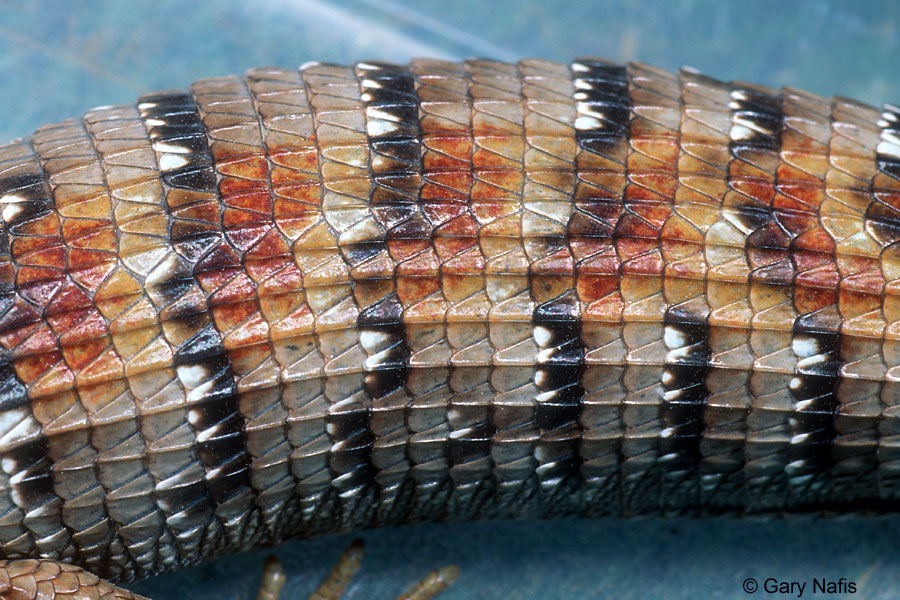
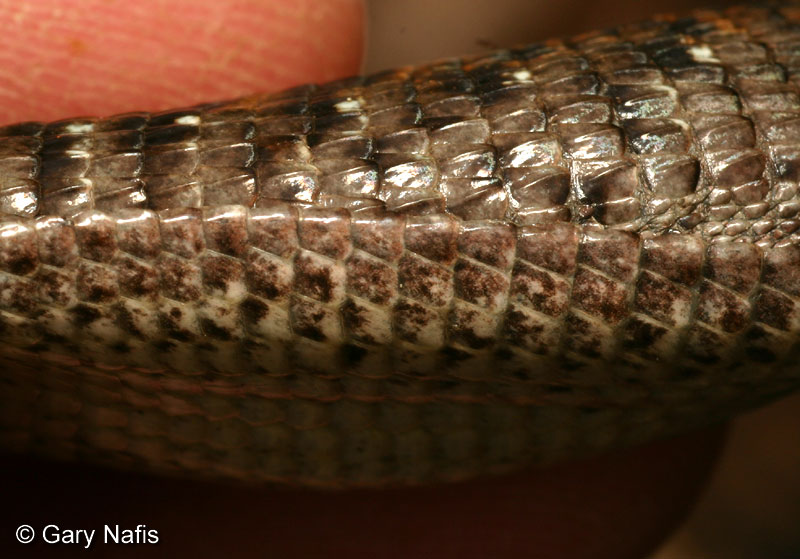
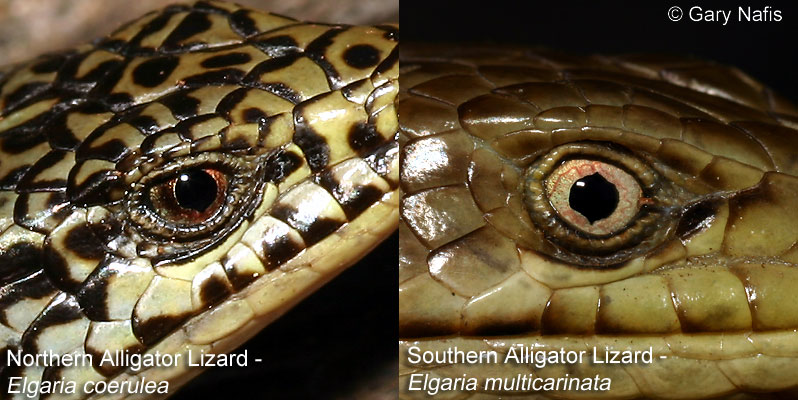
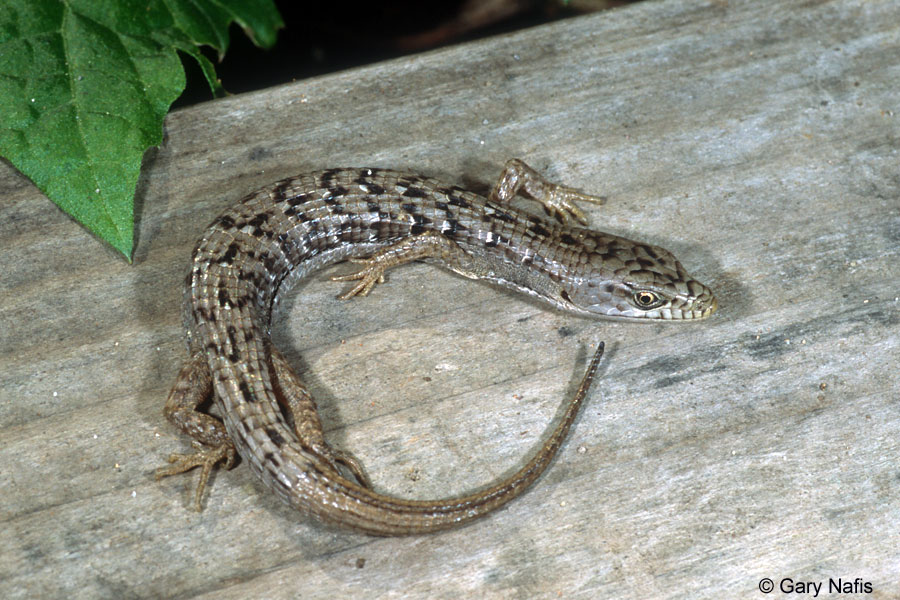
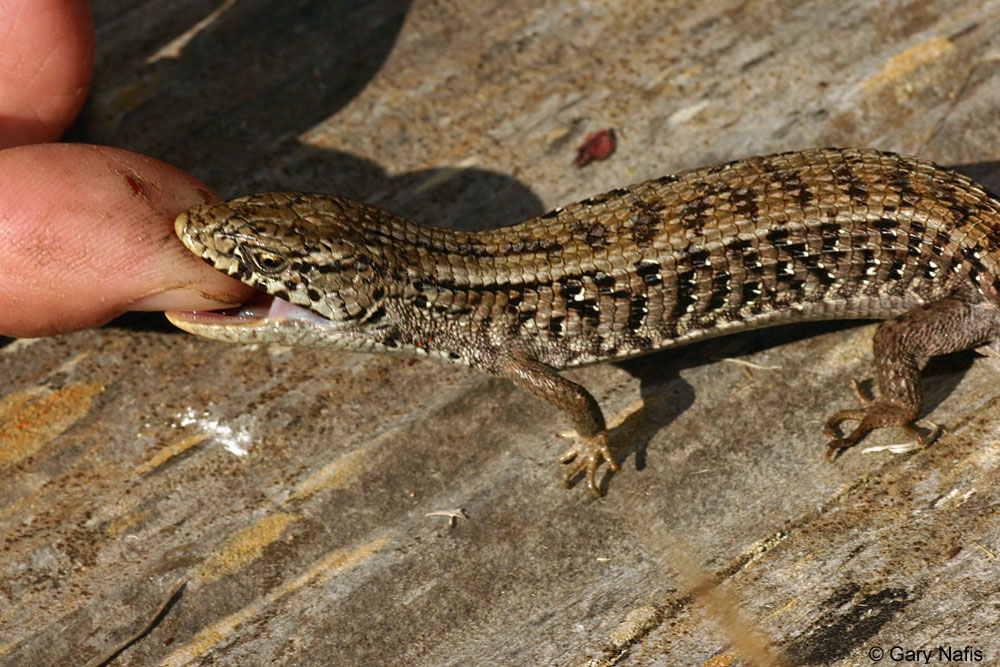
| Alligator lizards, genus Elgaria, are members of the family Anguidae, a family of lizards found in the Americas, Europe, Asia, and Africa. Large bony scales, a large head on an elongated body and powerful jaws probably give the lizards their common name. They are characterized by a slim body with short limbs and long tail. The tail can reach twice the length of its body if it has never been broken off and regenerated. Color is brown or grey. Usually there are 9 - 13 dark bands on the back, sides, and tail, with adjacent white spots. On some lizards these dark bands are very pronounced, on others they are obscured. Scales are keeled on the back, sides, and legs, with 14 rows of scales across the back at the middle of the body. The scales of this subspecies are less heavily keeled than E. m. webbii. The temporal scales are not keeled or only slightly keeled. A band of small granular scales separates the larger bone-reinforced scales on the back and on the belly, creating a fold along each side. The fold of this subspecies is generally a cinnamon color. These folds allow the body to expand to hold food, eggs, or live young. The fold contracts when the extra capacity is not needed. The eyes are light yellow. (Compare with the darker eyes of Elgaria coerulea.) The head is usually not mottled with dark color. The head of a male is broader than a female's with a more triangular shape. Usually there are dark lines running lengthwise on the underside which run through the middle of the scales. (Compare with the underside lines on Elgaria coerulea, which run between the scales, along their edges.) Young lack the dark barring with a plain copper or brown band on the back. |
| Behavior |
| Active during the day, crepuscular and nocturnal during hot weather. Inactive during cold periods in winter. Moves with a snake-like undulating motion. A good swimmer, sometimes diving into the water to escape by swimming away. The slightly prehensile tail can be used to wrap around vegetation when climbing. The tail of an alligator lizard is easily broken off, as it is with many lizards. The tail will grow back, although generally not as perfectly as the original. A lizard may detach its tail deliberately as a defensive tactic. When first detached, the tail will writhe around for several minutes, long enough to distract a hungry predator from the lizard. Other defensive tactics used by alligator lizards are smearing the contents of the cloaca on the enemy and biting. Males sometimes also extrude the hemipenes when threatened. Alligator lizards are generally secretive, tending to hide in brush or under rocks, although they are often seen foraging out in the open or on roads in the morning and evening. They are common inhabitants of suburban yards and garages.(I have received many emails asking me to identify alligator lizards found in yards and garages, especially in Southern California.) |
| Diet |
| Eats a variety of small invertebrates. Will also eat small lizards and small mammals. Occasionally feed on bird eggs and young birds. (Stebbins) |
| Reproduction |
| Lays eggs some time from May to July. Mating probably occurs during April and May. Eggs hatch late summer and early fall. |
| Range |
| Ranges from an intergrade range extending northeast from Humboldt to Siskiyou counties, north, east of the Cascades mountains, to the Columbia River, and east of the Cascades in northcentral Oregon north into Klickitat county in south-central Washington. The species Elgaria multicarinata ranges from southern Washington mostly west of the Cascades and Sierras into northwestern Baja California, including some of the Channel Islands, and has been introduced into Las Vegas. (Apparently it is common in casino gardens.) Sea level to 5,000 ft. (1,524 m). |
| Habitat |
| Grassland, open forest, chaparral. Common in foothill oak woodlands. Commonly found hiding under rocks, logs, boards, trash, other surface cover. |